Functional Neurology–Informing Occupational Therapy
By Dr. Radie Hain, OTD, OTR/L
Families deserve the very best, which is why we are passionate about providing evidence-informed care while continually expanding our expertise through advanced training and ongoing continuing education—ensuring the children and families we serve receive the highest quality, meaningful support every step of the way.
At PK Therapy, we are continually growing how we support children’s development and are currently completing additional training in functional neurology to further strengthen and enhance our occupational therapy approach. Many of the areas emphasized in functional neurology are already naturally embedded within the strategies we use every day in occupational therapy sessions. This training is not changing our approach—it is deepening our understanding and expanding the clinical reasoning behind why these interventions support children’s progress.
This advanced training helps us further refine how we support underlying sensory, motor, and regulation systems that play an important role in participation in everyday activities such as learning, play, self-care, and daily routines. It allows us to be more intentional in selecting developmentally appropriate, meaningful activities that support how each child’s nervous system processes movement, sensation, attention, coordination, and regulation.
By continuing to build on the strong occupational therapy foundation already in place at PK Therapy, this additional knowledge enhances our ability to support each child’s unique developmental needs with thoughtful, individualized care.
What is Functional Neurology
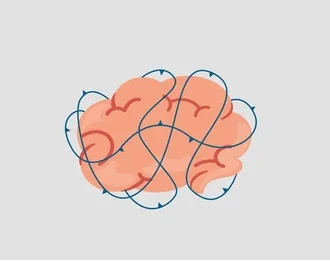
Functional Neurology is based on a simple but powerful thought: the brain can change and strengthen when it’s given the right kind of input. Instead of relying only on medication or passive treatments, this approach uses specific types of stimulation to “wake up” and organize different parts of the nervous system. That stimulation can look like tracking moving lights with your eyes, doing balance and movement activities, listening to rhythmic sounds, or using touch-based input like vibration or resistance. In some settings, tools like low-level laser or light therapy are also used to support cellular activity. And in some case multiple form of stimulation can be uses at the same time. The goal is to improve how the brain and body communicate, which can impact things like focus, coordination, emotional regulation, and overall development.
In pediatric occupational therapy, these ideas show up in very functional and practical ways. The American Occupational Therapy Association guides occupational therapist to use evidence based sensory-rich activities to help children build stronger, more organized nervous systems. This might include swinging, climbing, obstacle courses, visual tracking games, deep pressure, or exercises that encourage both sides of the body to work together. While some therapists may incorporate tools like vibration or light-based supports, the focus always stays on helping kids succeed in real life—at home, in school, and in play. At the end of the day, it’s not about the tool itself—it’s about how the right kind of input, used in the right way, helps a child feel more regulated, confident, and capable in their everyday world. This is why integrating functional neurology with occupational therapy’s rich, evidence-based yet holistic approach can further support and enhance the impactful work occupational therapist already do.
What This Means for Your Child
Functional neurology helps us support underlying neurological and sensorimotor systems that impact:
- Attention and regulation
- Balance and coordination
- Visual tracking and reading readiness
- Motor planning and body awareness
- Emotional regulation
- Handwriting and fine motor skills
- Sensory processing
This approach includes supporting the integration of primitive reflexes (early movement patterns present in infancy). When these reflexes remain active longer than expected, they can interfere with posture, coordination, visual skills, attention, and participation in daily routines. Targeted movement experiences can help support maturation of these early movement patterns as part of developmentally appropriate occupational therapy intervention.
Primitive reflex integration supports this developmental sequence by helping early brainstem-based movement patterns mature appropriately, which supports more efficient coordination across higher-level brain systems.
Therapy activities are designed to support communication between important areas of the brain in a developmental sequence—from foundational systems upward. Intervention also intentionally supports the development and stimulation of key sensory systems that help organize movement and learning:
- Brainstem – supports regulation, alertness, posture, and readiness for engagement
- Cerebellum – supports balance, coordination, timing, and motor learning
- Midline systems (vestibular, visual, proprioceptive, and right–left brain communication) – support body awareness, crossing midline, tracking, spatial orientation, and coordinated movement across both sides of the body
- Frontal lobe – supports attention, planning, impulse control, emotional regulation, and executive functioning skills needed for learning and independence

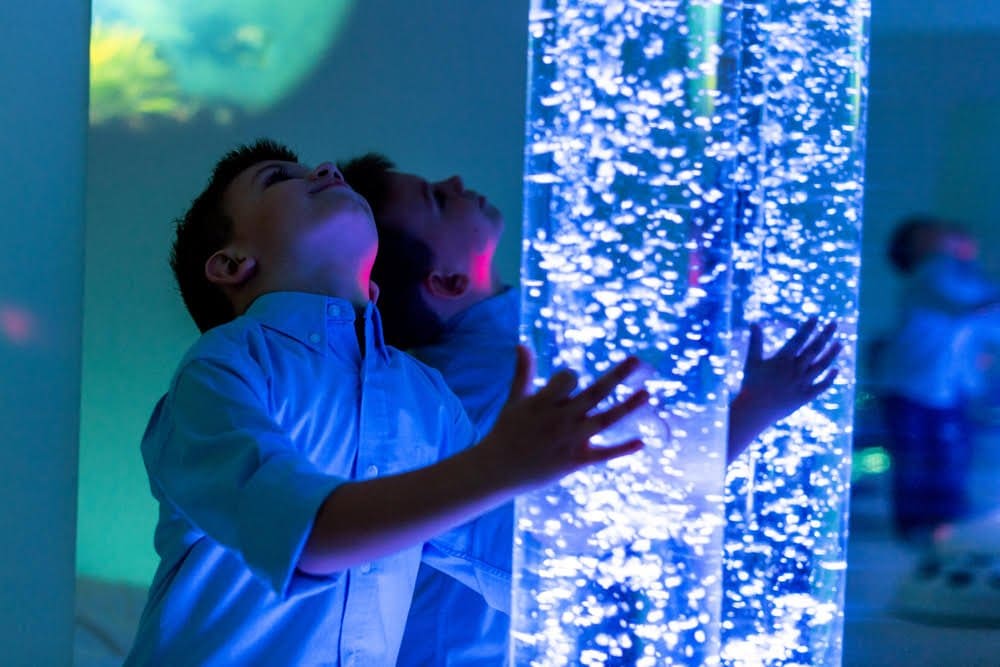
During therapy sessions, carefully selected movement and sensory-based exercises provide developmentally appropriate vestibular (movement and balance), visual (tracking and focusing), and proprioceptive (body awareness and force control) input. For example, balance and movement activities help organize the vestibular system to support attention and posture for classroom learning; eye-tracking exercises support reading readiness and visual attention; and heavy-work or resistance activities improve proprioceptive processing for body control, handwriting, and coordination. This type of targeted stimulation helps strengthen how these systems develop and communicate with one another to support improved coordination, attention, regulation, posture, and participation in daily activities.
When these systems develop and work together more efficiently, children are often better able to build higher-level skills such as attention, coordination, emotional regulation, posture, learning readiness, and participation in daily activities.
Rather than only working on skills themselves, occupational therapy also supports the underlying systems that help make those skills easier and more efficient.
What Therapy May Look Like
You may notice additional activities in sessions such as:
- Cross-body movement patterns
- Balance and coordination challenges
- Eye movement and visual tracking exercises
- Rhythm and timing activities
- Targeted sensory experiences
- Developmental movement pattern support
These activities are individualized, play-based, and matched to your child’s readiness level and therapy goals. With these activities, along with the various forms of stimulation, treatment is adapted so children of all abilities—from non-ambulatory or non-verbal to high functioning struggling with academics—can actively participate, engage in meaningful ways, and experience success.
Why We Use This Approach
Supporting underlying neurological and sensorimotor development helps children:
- Improve participation in school tasks
- Increase coordination and body control
- Strengthen attention and regulation
- Build confidence with daily routines
Our goal is always to help your child participate more easily and successfully in the activities that matter most to them.
What This Might Look Like at Home or School
You may notice changes carry over into daily routines and environments such as:
- At home: improved participation in activities like meal time, climbing stairs, carrying items (e.g., groceries or laundry baskets), animal walks or obstacle play, catching or throwing games, reading with better visual tracking, sleep routines, and using pushing or pulling activities for regulation and strength
- At school: improved ability to attend after movement breaks, better seated posture, smoother handwriting and pencil control, improved visual tracking when copying from the board, and increased regulation during transitions or group activities
Questions? We’re happy to talk with you how OTs can help your child build skills for participation in everyday life. Contact us at 785-594-2909.