
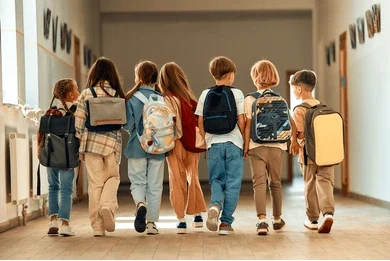
Transitioning Into a New School Year: How Routines Build Regulation & Independence
By Dr. Radie Hain, OTD, OTR/L
The start of a new school year brings about much excitement but for some there is more to this transition—it’s a full nervous‑system shift. Children move from flexible summer rhythms into structured days filled with expectations, transitions, sensory demands, and social complexity. As pediatric OTs, we know that kids don’t just “adjust” because the calendar says, “First Day of School”. They adjust because their bodies and brains are supported through predictable routines that strengthen regulation, confidence, and independence.
Routines Regulate the Nervous System
Daily routines are like anchors for the nervous system––this allows children to know what’s coming next. When they know what is coming their bodies can settle, their attention can rise, and their emotional load decreases. Predictability reduces the “unknowns” that often trigger dysregulation during the first weeks of school.
Key benefits of routines:
- Lower stress during transitions
- Improved tolerance for demands
- Increased ability to stay organized
- More consistent emotional responses
Try building routines around wake‑ups, dressing, breakfast, packing, and after‑school decompression.
Routines Build Independence Through Repetition
Independence doesn’t come from telling kids what to do—it comes from giving them repeated opportunities to practice doing it. Routines create those opportunities.
OT‑friendly independence boosters:
- Use visual schedules so kids can follow steps without relying on adults.
- Keep morning tasks in the same order every day to reduce cognitive load.
- Practice 2‑step directions during daily routines to strengthen sequencing.
- Build self‑help skills into the routine (dressing, grooming, backpack prep).
These repeated patterns help children build skills, making them more confident and capable at school.
Routines Strengthen Executive Functioning
Executive functioning is the backbone of school success. Routines help children practice planning, sequencing, organizing, and problem‑solving in low‑stress environments before they face higher demands at school.
OT‑supported executive functioning routine ideas:
- A consistent backpack check each evening
- A homework station with predictable steps
- A morning flow that reduces rushing
- A bedtime routine that supports sleep regulation
These small daily patterns build the cognitive scaffolding kids need for classroom independence.
Routines Support Sensory Regulation
School environments are sensory‑heavy. Routines help prepare the body for those demands.
Include:
- Movement before school (animal walks, wall pushes, cross crawls)
- Predictable calming strategies (breathing, deep pressure, quiet time)
- After‑school decompression so the nervous system resets
When sensory needs are met consistently, kids transition more smoothly and stay regulated longer.
Routines Build Confidence in New Environments
New teachers, new classrooms, new peers—these changes can feel overwhelming. Routines give children a sense of control and stability even when everything else feels new.
They help kids:
- Anticipate expectations
- Feel prepared
- Reduce first‑week anxiety
- Step into school with confidence
A regulated, confident child is far more available for learning, social participation, and independence.
If you have concerns about your child’s ability to adjust to change and regulation during transitions, contact us today, or schedule an evaluation. We’re here. And we’re listening. Learn more at pktherapyot.com or call us at 785-594-2909.