

What’s Really Behind Poor Handwriting: The Hidden Developmental Foundations
By Dr. Radie Hain, OTD, OTR/L
Handwriting looks simple on the surface—pick up a pencil, write the letters—but beneath every written word is an entire network of developmental systems working together. When even one of those systems is immature, overloaded, or underdeveloped, handwriting becomes the place where it shows up.
And one of the biggest, most overlooked pieces? The visual system—not eyesight, but visual processing, visual attention, and visual‑motor development.
Handwriting Is a Developmental Skill
Handwriting isn’t just an academic expectation; it’s a developmental milestone. Kids need time, practice, and the right foundational skills before writing can feel smooth and efficient. Before a child can form letters, they must develop fine motor strength, hand dominance, postural stability, sensory regulation, and executive functioning. These foundations begin forming in early childhood and continue developing through the early elementary years.
Core Developmental Skills Behind Handwriting
- Fine motor strength — Development begins around ages 3–4 as children shift from whole‑hand grasping to finger-based control. By ages 5–6, stronger hand muscles support pencil pressure, endurance, and precision.
- Hand dominance — A clear hand preference typically emerges between ages 4–6. Without dominance, kids may switch hands, use inefficient grasps, or struggle with consistent letter formation.
- In‑hand manipulation — Skills like shifting and rotating objects develop between ages 3–6. These support spacing, erasing, and smooth pencil control.
- Postural stability — Core strength for upright sitting develops between ages 3–7. Without stability, kids compensate by leaning, slouching, or using their non-writing hand for extra support.
- Sensory regulation — Sensory seekers may press too hard or rush; sensory avoiders may write lightly, fatigue quickly, or avoid writing altogether.
- Executive functioning — Planning, sequencing, and working memory grow steadily from preschool through early elementary years and directly impact writing organization.
Even when all of these are developing well, handwriting can still fall apart if the visual system isn’t supporting the child.

The Visual System: The Hidden Foundation
Handwriting is a visual task first, motor task second. A child can have strong hands and great posture, but if their visual system is still developing, writing will feel hard. Visual skills are often the quiet culprit behind messy handwriting– it is often overlooked.
Key visual skills include:
- Visual‑motor integration — Coordinating what the eyes see with what the hands produce.
- Visual perception — Understanding shapes, spacing, and letter forms.
- Visual attention — Staying visually engaged with the writing task.
- Visual memory — Remembering how letters look and how they’re formed.
When these skills are still developing, handwriting often shows:
- Letters floating above or below the line
- Mixing capital and lowercase letters
- Reversals (b/d/p/q, numbers)
- Inconsistent spacing
- Losing place while copying
- Fatigue from visual effort
These aren’t careless mistakes—they’re signs of a visual system not supporting handwriting.
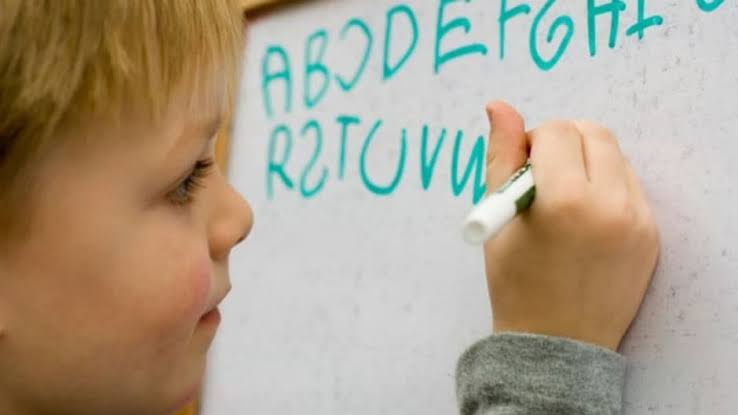
Why Visual Skills Matter More Than Parents Realize
Handwriting demands constant visual processing. Kids must track across the page, notice details, remember letter formations, and coordinate their hands to match what they see. When these skills are difficult writing becomes rushed, uneven, or incomplete when visual attention or processing is struggling. A child may have– strong hands, great posture, a good grasp, and plenty of motivation but still struggle with handwriting because their visual system is quietly asking for support.
Why OT Looks Beyond the Pencil: How OT Strengthens the Foundations Handwriting Depends On
Pediatric occupational therapy doesn’t “fix handwriting” with worksheets. We build the systems that make handwriting possible.
OT supports:
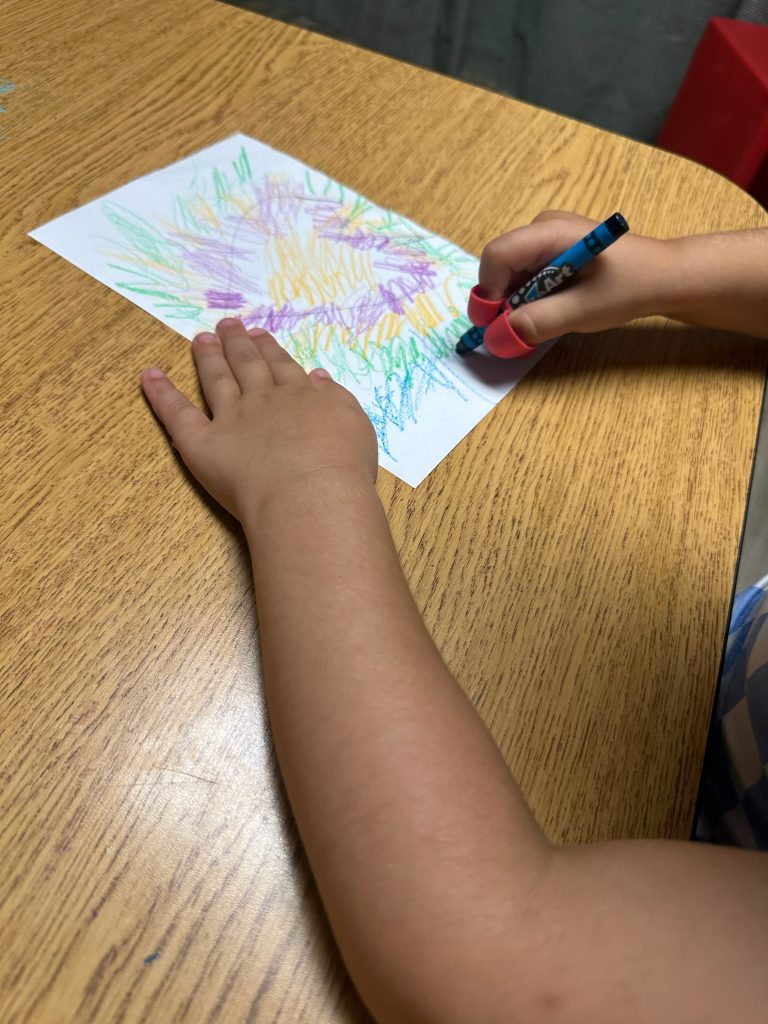
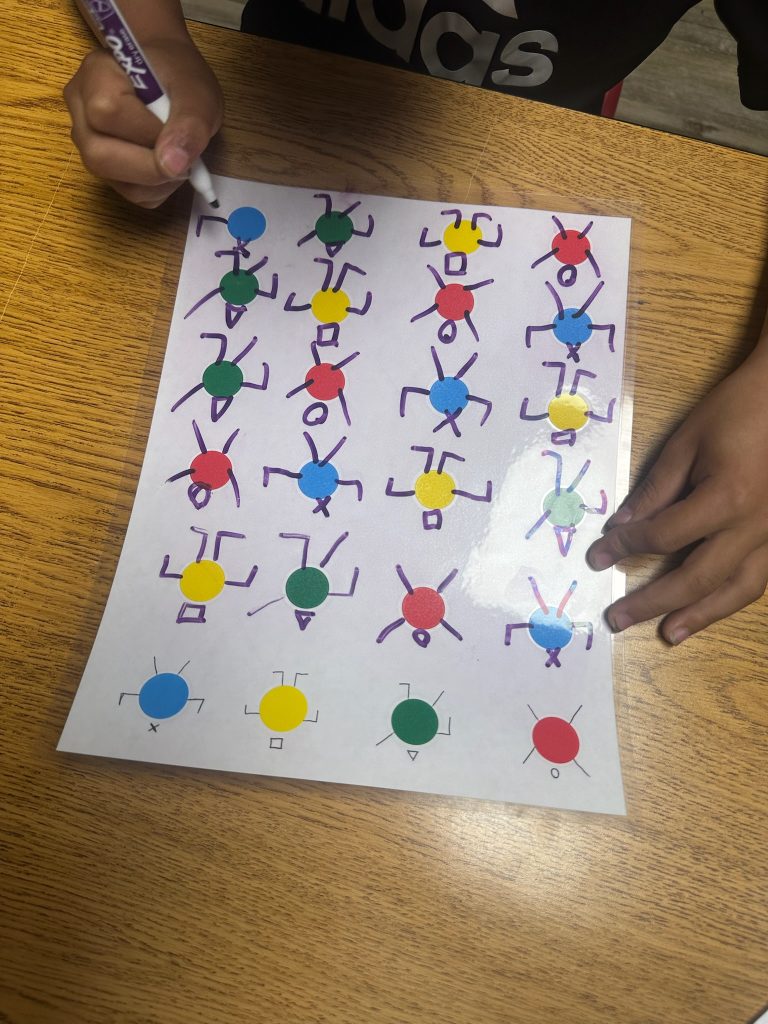
- Visual‑motor development through multisensory play
- Visual attention with structured, graded activities
- Visual memory through repetition and meaningful practice
- Spatial awareness with movement‑based tasks
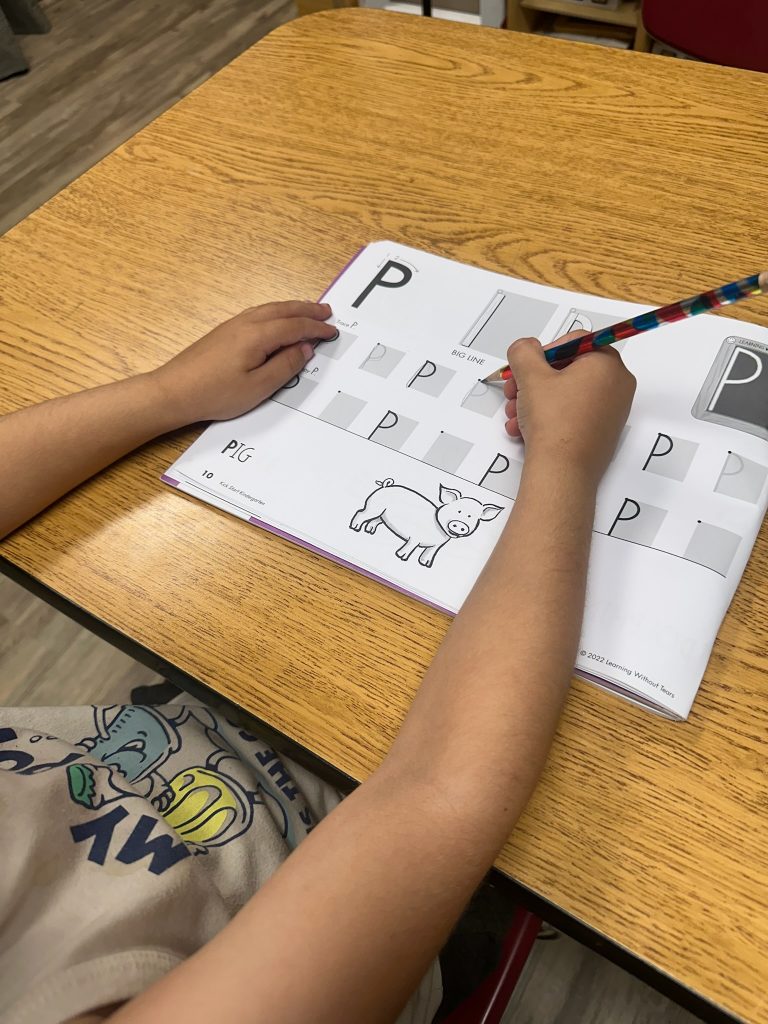
- Letter formation using developmentally appropriate sequences
- Fine motor strength through play‑based strengthening
- Sensory regulation for calmer, more organized writing
- Postural stability to support upright sitting
OT looks beyond the pencil because handwriting is never “just handwriting.” It’s a window into how a child’s nervous system processes information, coordinates movement, manages attention, and regulate their emotions. When a child struggles with writing, it’s often a sign that one or more foundational skills need support—not that the child is lazy, unmotivated, or “just not trying.”
Developmental Milestones That Support Handwriting
| Skill Area | Typical Milestone Range | Why It Matters |
| Fine motor strength | 3–6 years | Controls pencil pressure, endurance, precision |
| Hand dominance | 4–6 years | Supports consistent letter formation |
| In‑hand manipulation | 3–6 years | Helps with spacing and pencil control |
| Postural stability | 3–7 years | Provides the stable base needed for writing |
| Visual‑motor integration | 3–6 years | Essential for copying, spacing, alignment |
| Visual perception | 4–7 years | Supports letter recognition and spacing |
| Executive functioning | 4–8 years | Helps with planning and sequencing |
Final Thoughts
Poor handwriting is rarely about effort. It’s about development. When a child struggles with writing, it’s not just about their hands, it is often their visual system quietly asking for support. Strengthening these foundational skills leads to clearer, smoother, and more confident handwriting. If you have concerns about your child’s handwriting or foundational skills, contact us today, or schedule an evaluation. We’re here. And we’re listening. Learn more at pktherapyot.com or call us at 785-594-2909.